

Observe
Enter people’s worlds without reducing them to “users”.
> init_question()

THIS IS WHERE MY FIELDWORK BEGINS.
These presences shape how we live, work and consume. I reveal the constraints, beliefs and practices that turn them into partners and, at times, authorities.
Through ethno-design, I turn this material into design decisions, research frameworks and shareable experiences. The future becomes debatable, and habitable.
BEFORE THE TOOLS
Depending on the question, this work takes the form of studies, atlases, strategic recommendations, books, talks or research programmes.
AI plays an important role when it helps reveal the narratives, categories and criteria steering an organisation. It remains one lens among others for understanding uncertainty, trust, luck and what we imagine to be possible.
INVESTIGATE · INTERPRET · DESIGN
Ethno-design combines the depth of anthropological inquiry with design’s ability to give form.
It begins with lived situations: gestures, objects, attachments and contradictions. It produces more than a diagnosis: criteria, scenarios, frameworks and design choices. Research does not simply precede design. It shifts it.
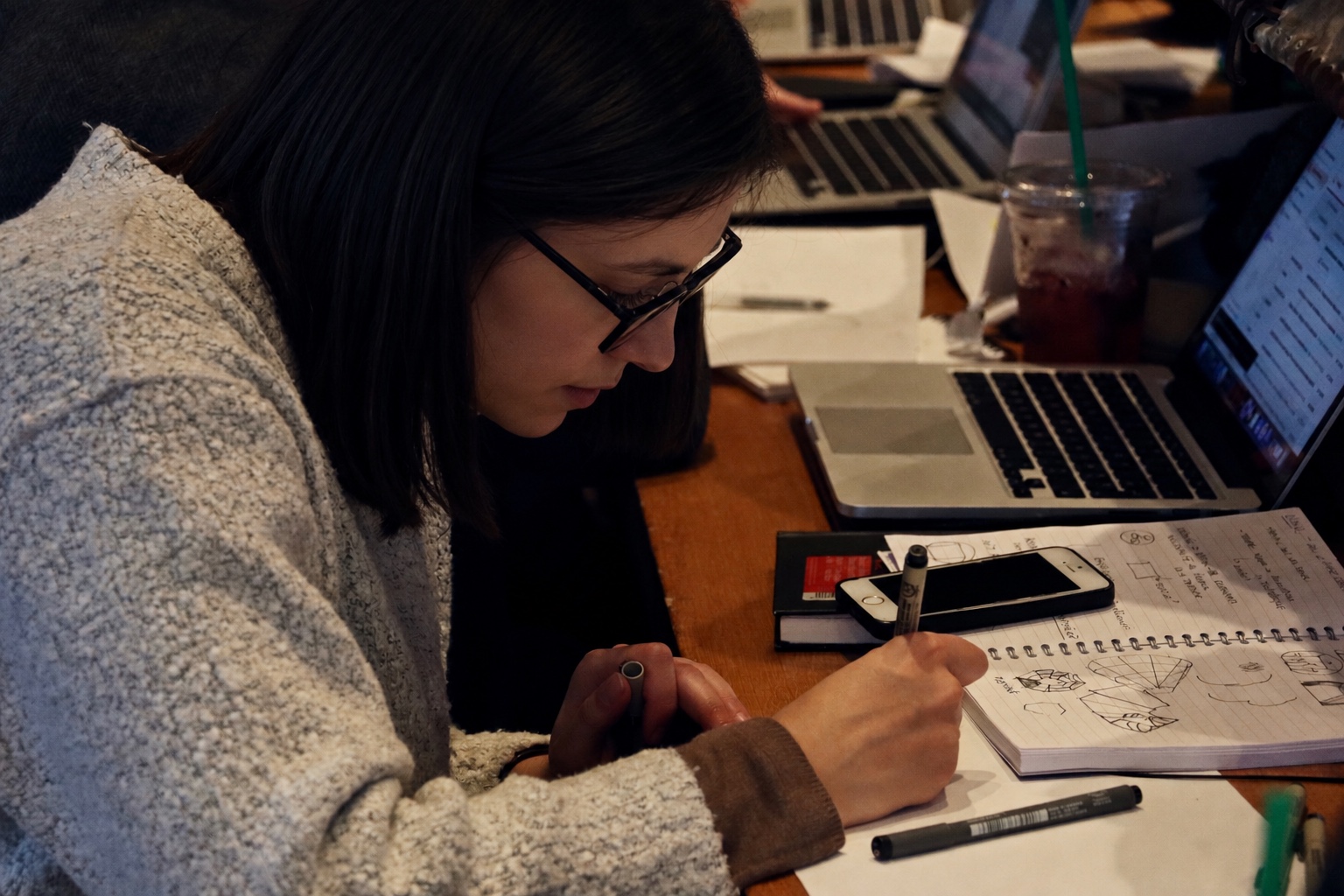
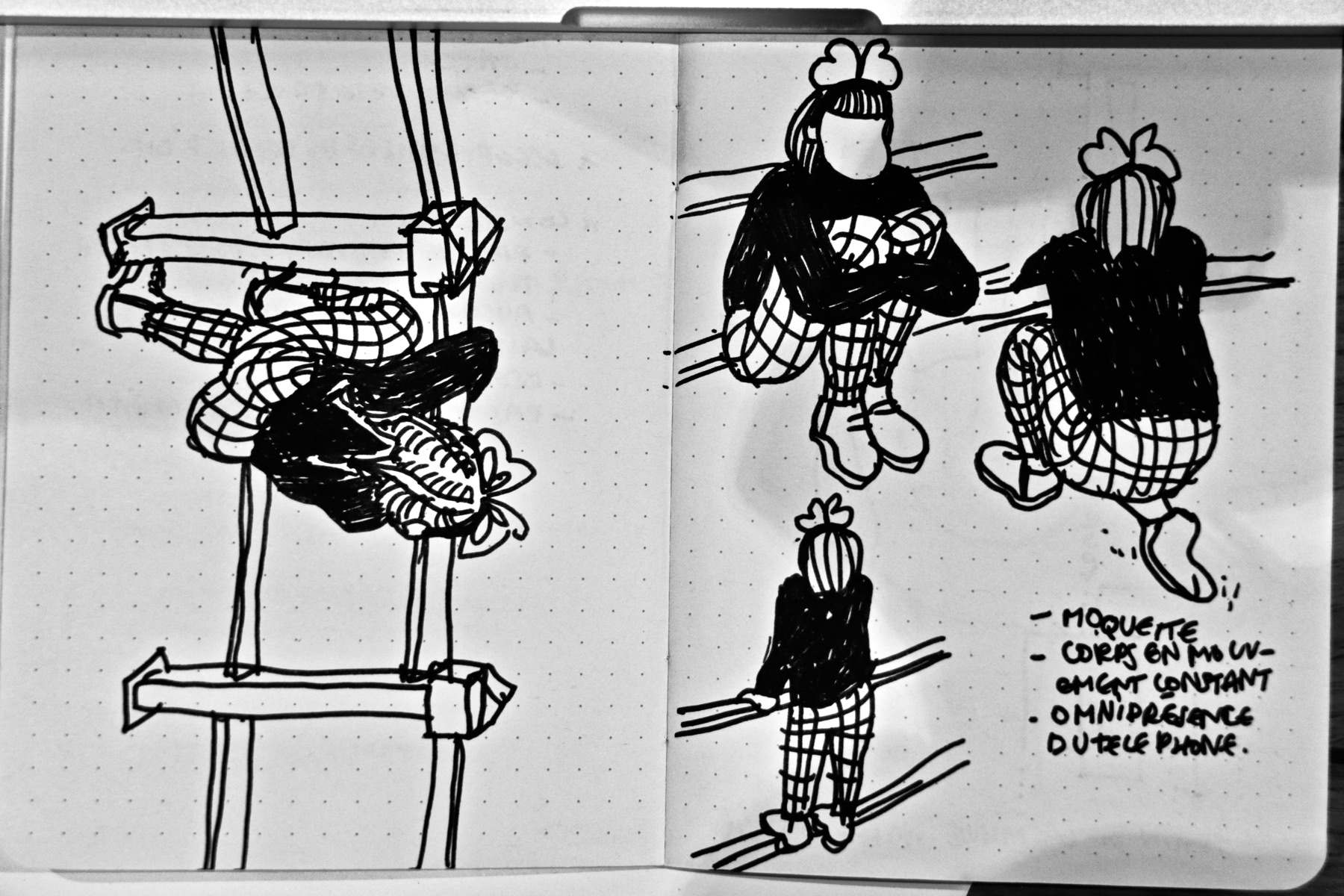
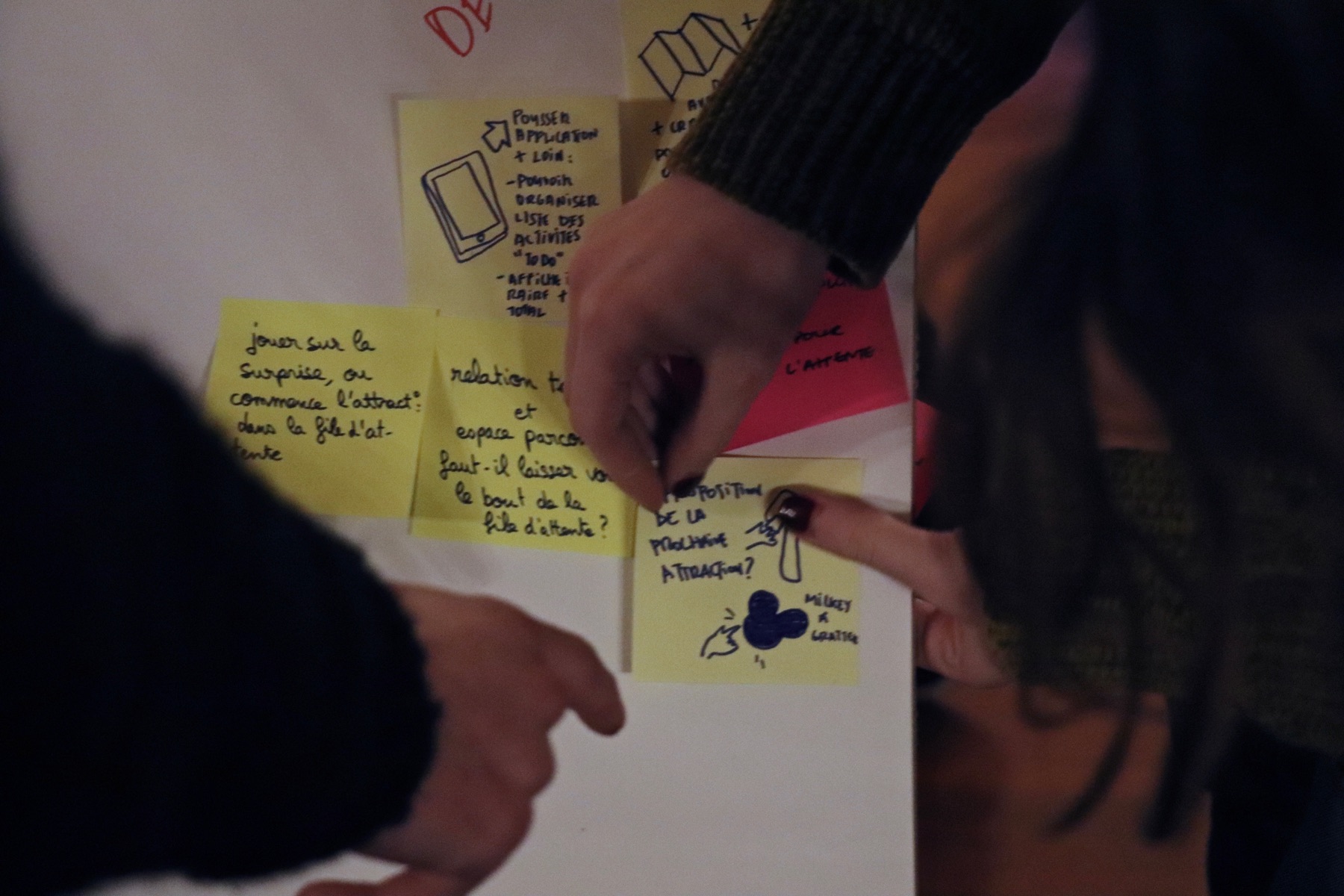
Enter people’s worlds without reducing them to “users”.
Follow the gestures, objects, narratives and constraints that organise a situation.
Connect field-level detail to cultural, economic and symbolic systems.
Turn analysis into tangible points of leverage for decision-making, prototyping and transmission.
Strate École de design Lyon × Renault · Mobility · 2025 / 2026
Research becomes foresight when it produces a hypothesis that can be seen, handled and debated.
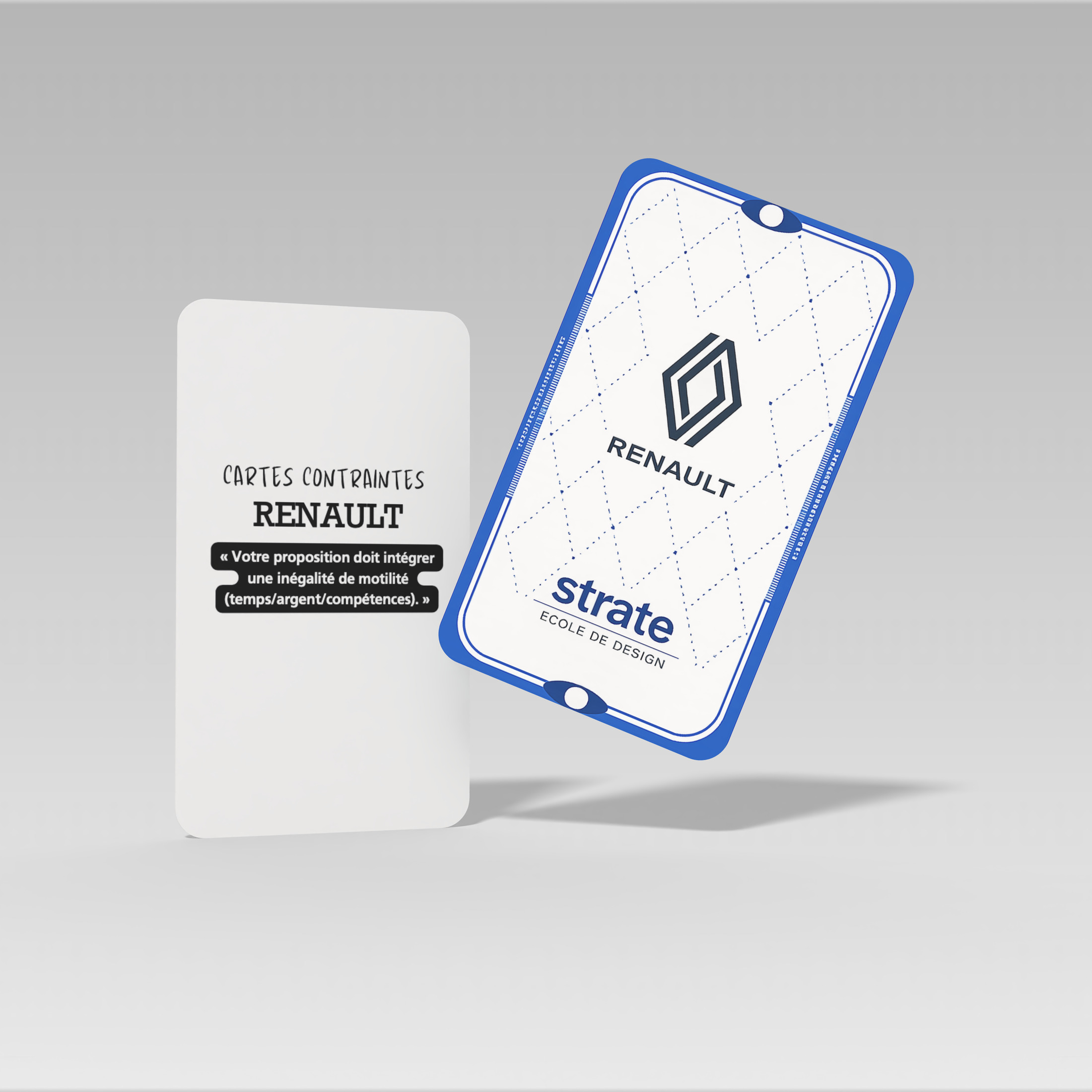
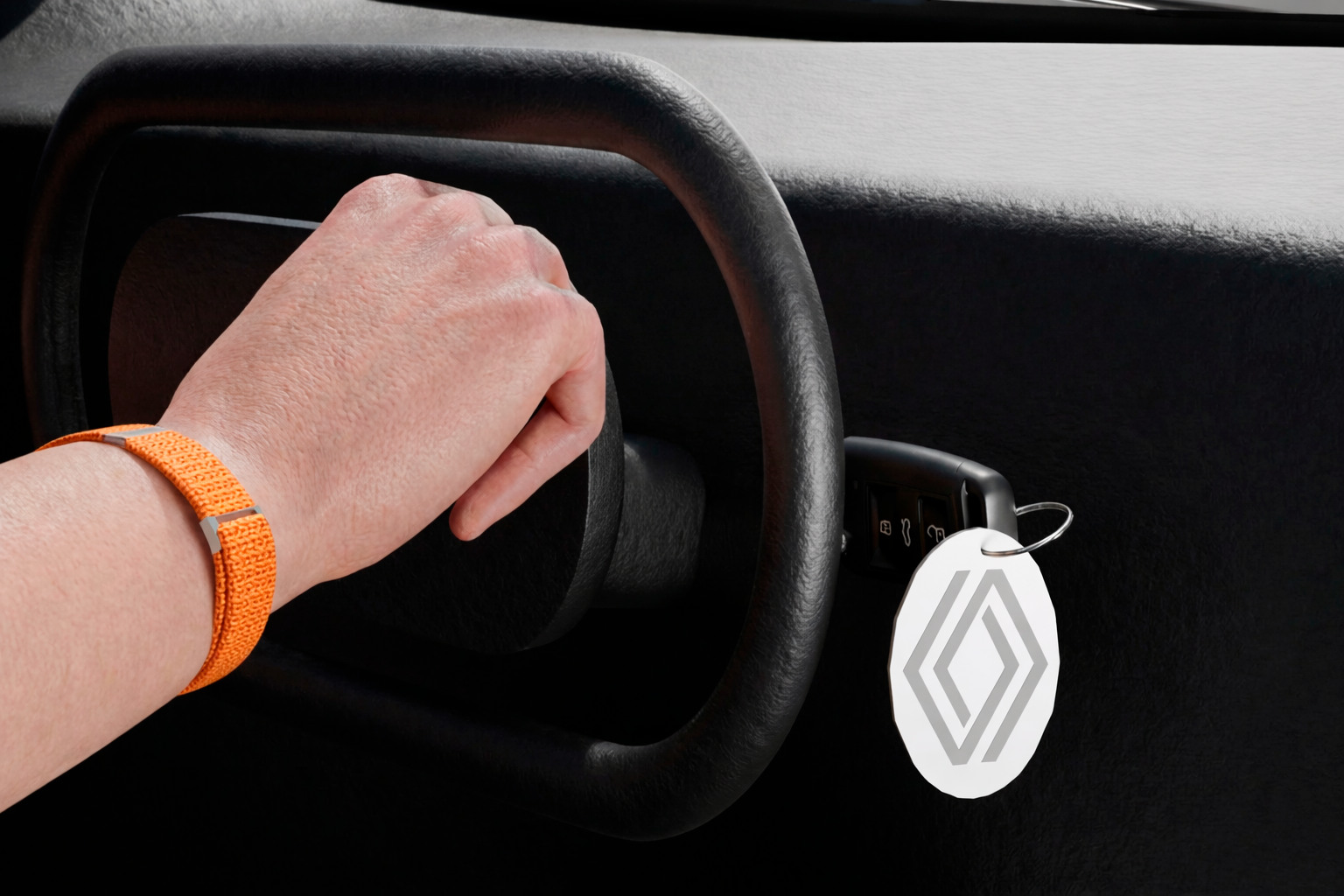
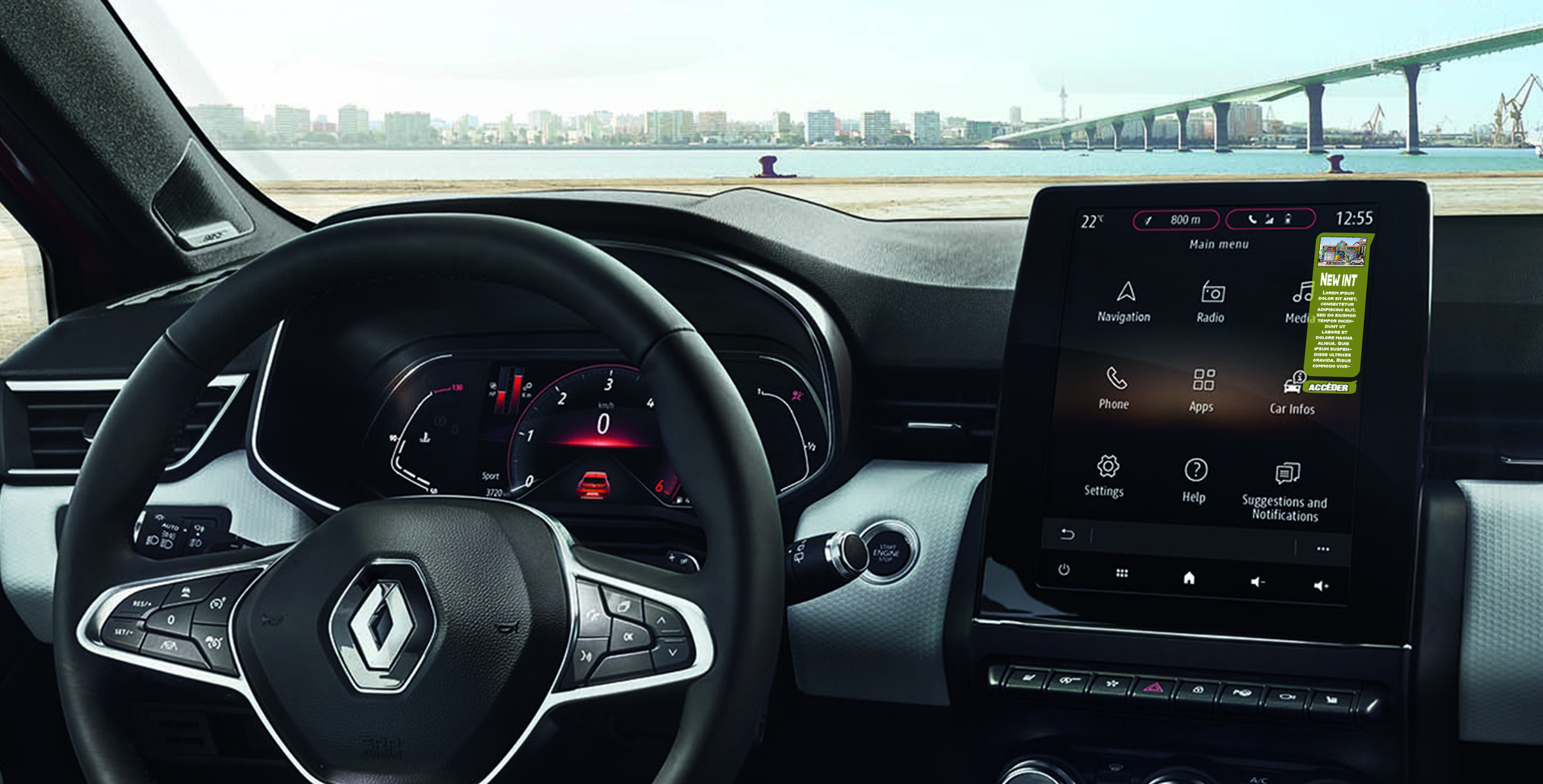
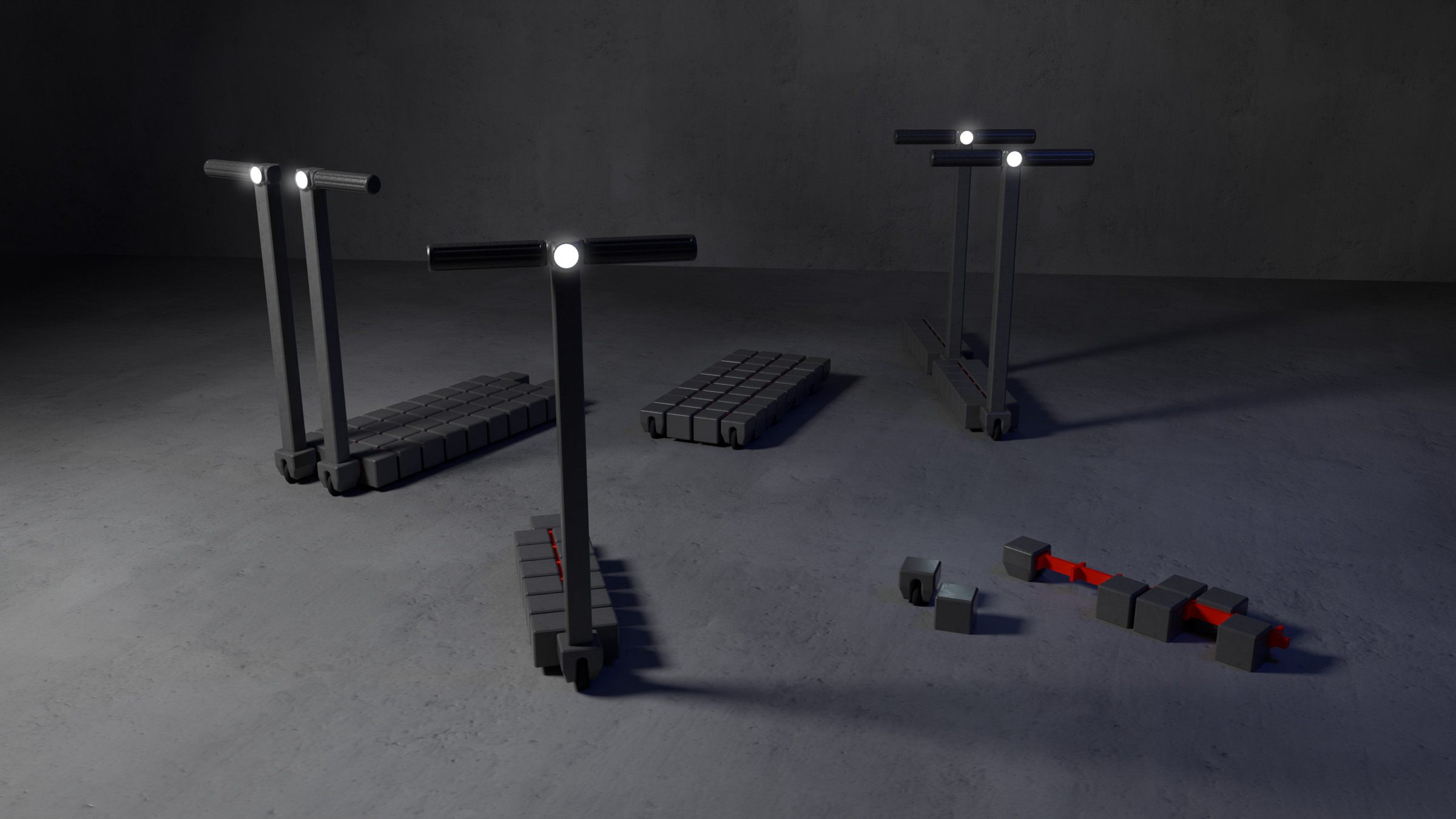
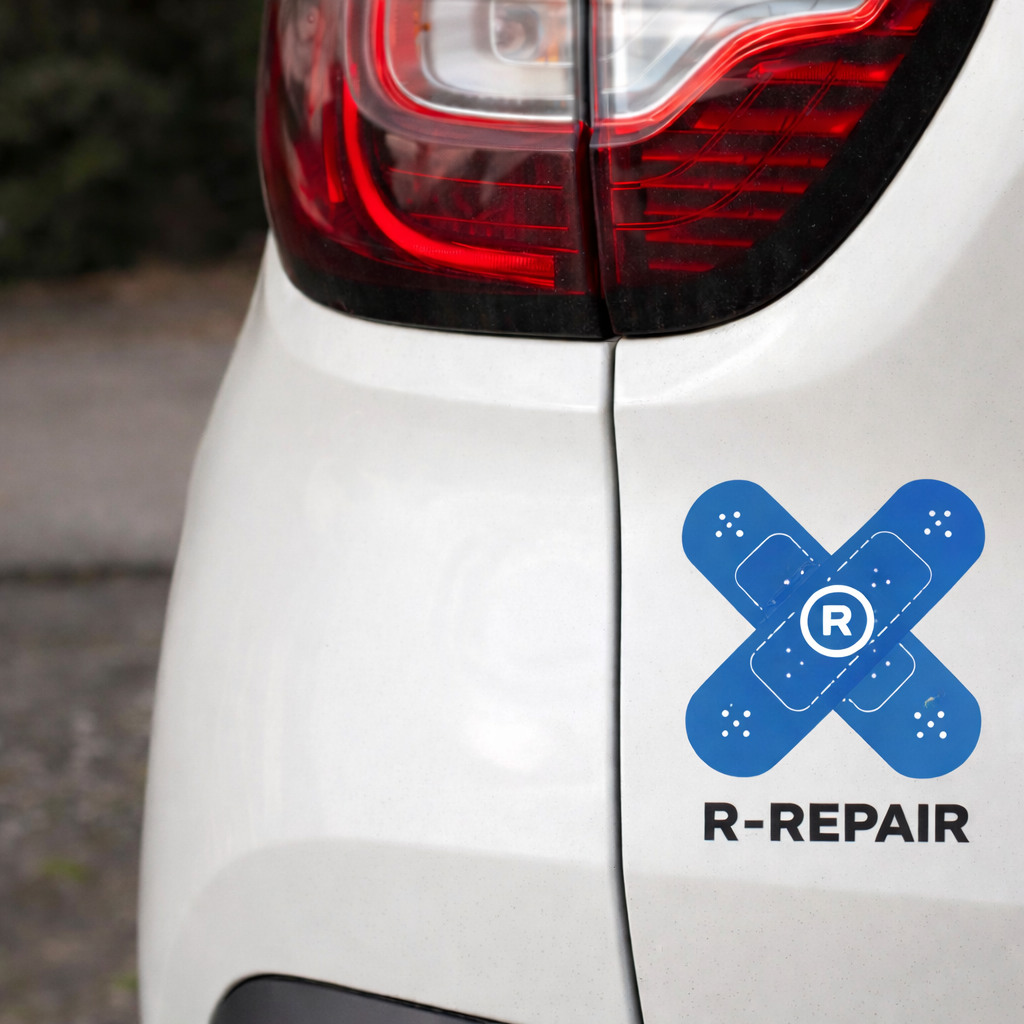
Within the Strate École de design Lyon × Renault partnership, five major themes generated 54 studies. Starting from everyday mobility situations such as attention, wear, cohabitation and availability, students produced situated artefacts, prototypes and scenarios. My role is to hold the entire chain together: from a researchable subject to the right question, then from that question to a future that can be debated.
FROM INQUIRY TO OBJECT
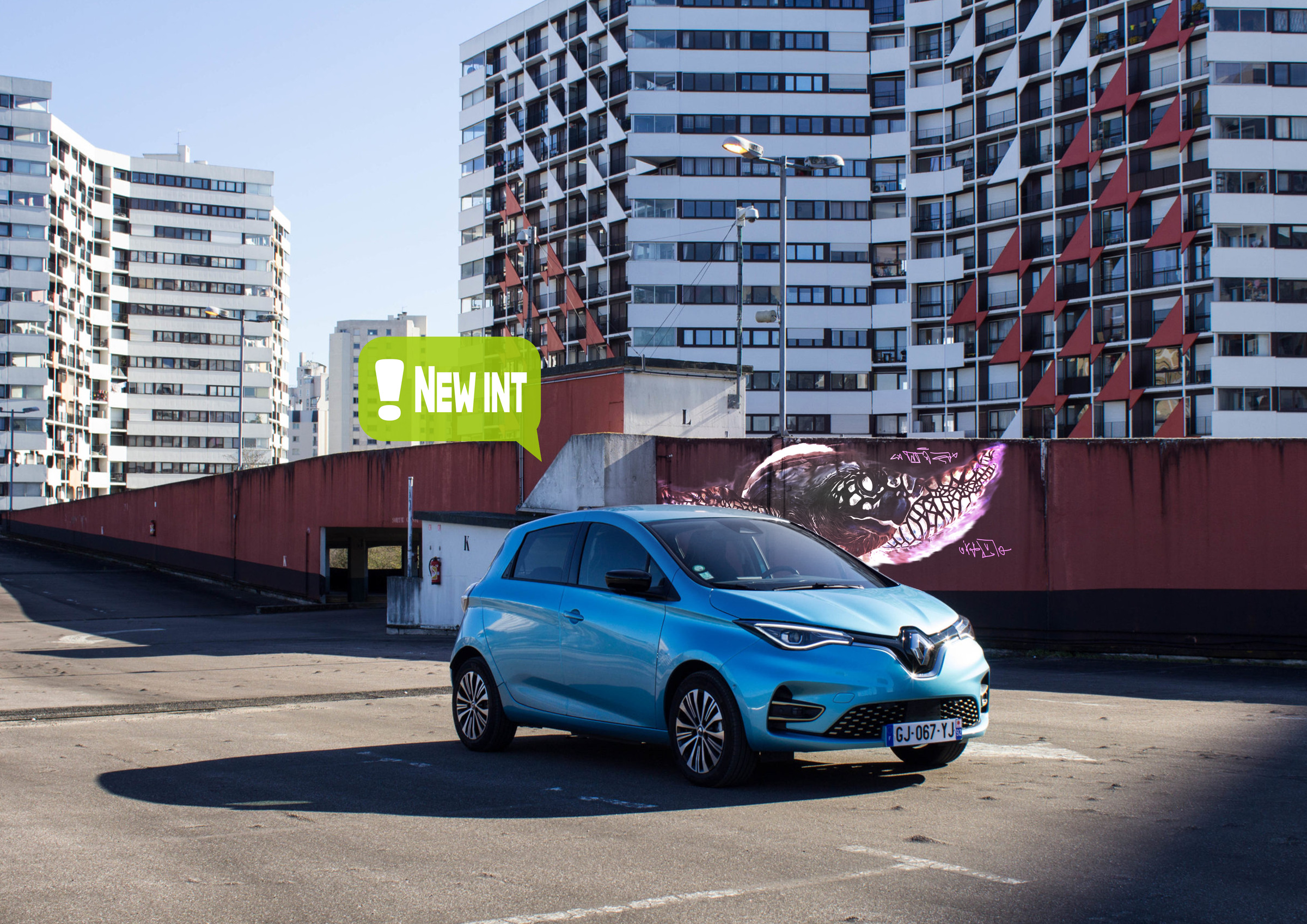
Each proposal retains the trace of its inquiry: an artefact, but also a different way of understanding what it means to move.
FROM PROTOTYPE TO PRINCIPLE
Objects matter as more than solutions. Viewed together, they reveal four principles for inhabiting movement differently.
Inform without becoming intrusive.
Welcome other living beings without losing coherence.
Make traces and repair into values.
Make unavailability legible and legitimate.
“Design mobility as a way of inhabiting movement.”
“A good artefact does not close the inquiry; it makes it visible.”
MANAGIA
Studying transformations in work and management in the age of artificial intelligence, understanding how AI is reshaping design practices, and examining transitions through the lens of technological innovation and industrial design challenges.
Strate École de design Lyon
Teaching designers to investigate, reframe their perspective and turn lived situations into design decisions.
MAGICAL THINKING
Designing bespoke studies and research for companies and institutions, from field immersion to strategic recommendations and shareable frameworks. Today, Magical Thinking is also becoming a club: a space where research, design and foresight meet to give form to transformation.
ENTER THE CLUB ↗Concepts for thinking about forces already at work, often beneath the surface.
The contemporary tendency to attribute intentions, affects or a will of their own to machines, to the point of delegating part of our responsibility to them.
I examine human-machine relationships and the narratives that turn a tool into a quasi-presence, a partner or an authority.
Generative AI, robots, agents, connected objects · observation, interviews, narrative corpora and critical workshops.
An approach that reads constraint not as a simple limit, but as a framework organising trade-offs, tactics and cultural transformation.
I map material, economic, social and symbolic constraints, then translate them into criteria for design and decision-making.
Consumption, carbon, housing, health, work · qualitative, quantitative and comparative studies.
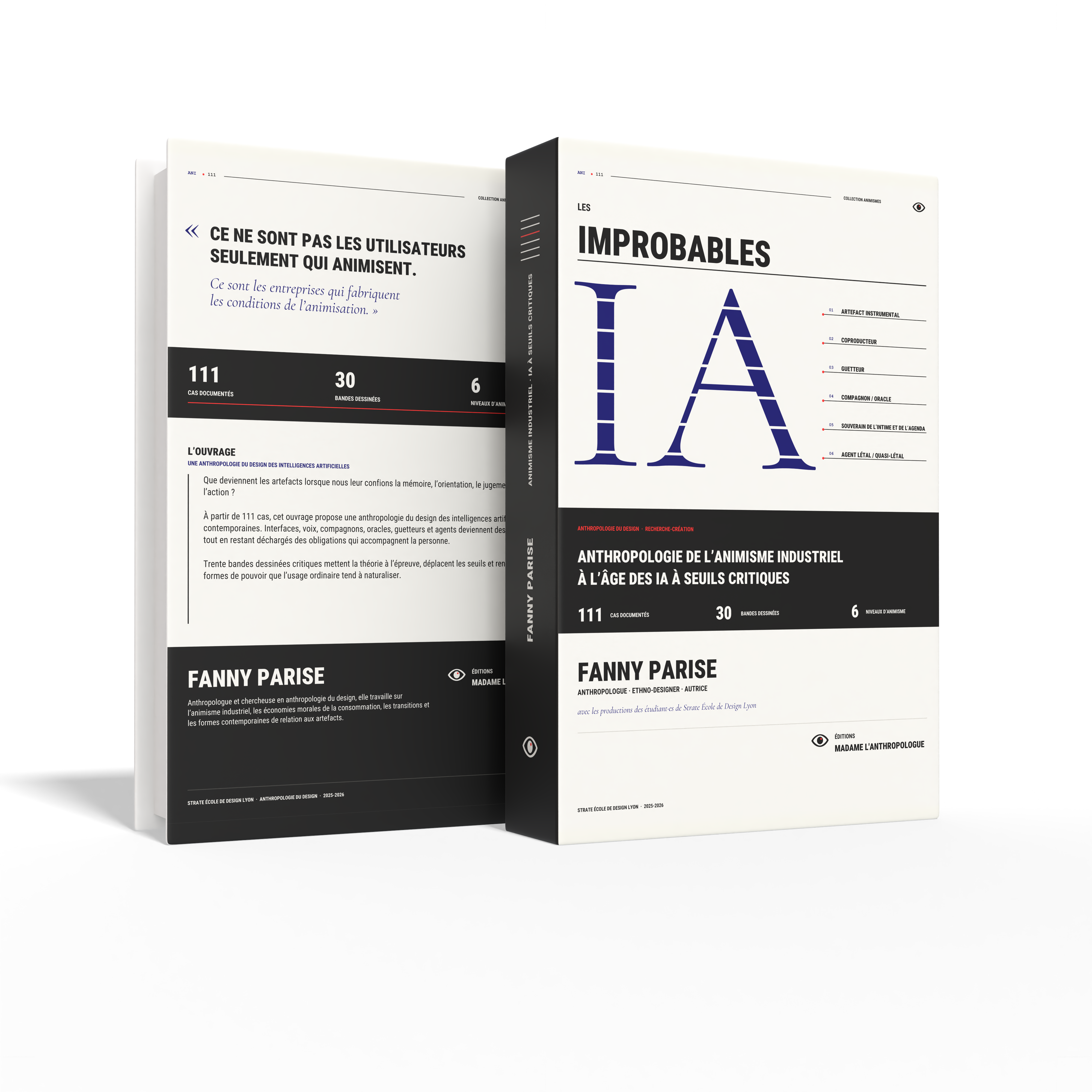
The transformation of work when AI systems are given a role, apparent autonomy and the ability to act within an organisation.
I reveal the delegation, invisible labour, workarounds and new responsibilities produced by AI agents.
Chatbots, business AI, design studios, support functions · workplace ethnography, prompt journals and interviews.
Objects that materialise an unstable boundary: natural and artificial, permitted and forbidden, intimate and collective, human and technical.
I use them to reveal controversy and as research artefacts that open discussion and test possible futures.
Food, health, connected homes, mobility · object biographies, workshops, prototypes and research through design.
The repeated gestures, sequences and performances through which a society stabilises uncertainty, belonging and change.
I follow routines, their disruptions and their resumption to understand what makes an innovation acceptable, desirable or rejected.
Luck, food, consumption, work, living environments · filmed observation, interviews and ritual mapping.
A form of power exercised through scripts, prompts, interfaces, default rules and evaluation systems that silently steer action.
I identify who writes the script, who can interrupt, challenge or rewrite it, and what the interface makes impossible to say.
Algorithmic governance, AI tools, digital services · interface audits, prompt analysis and organisational ethnography.
CURRENT PROGRAMMES
Begin with reality: observe, listen and follow gestures, objects, hesitations and gaps.
Shift the frame: connect practices to constraints, beliefs and cultural systems.
Make analysis actionable: produce a narrative, a criterion, a framework, a prototype or a decision.
Proprietary formats grounded in field research, designed to move rapidly from an abstract question to a situation that can be observed, discussed and transformed.
Make AI habitable.
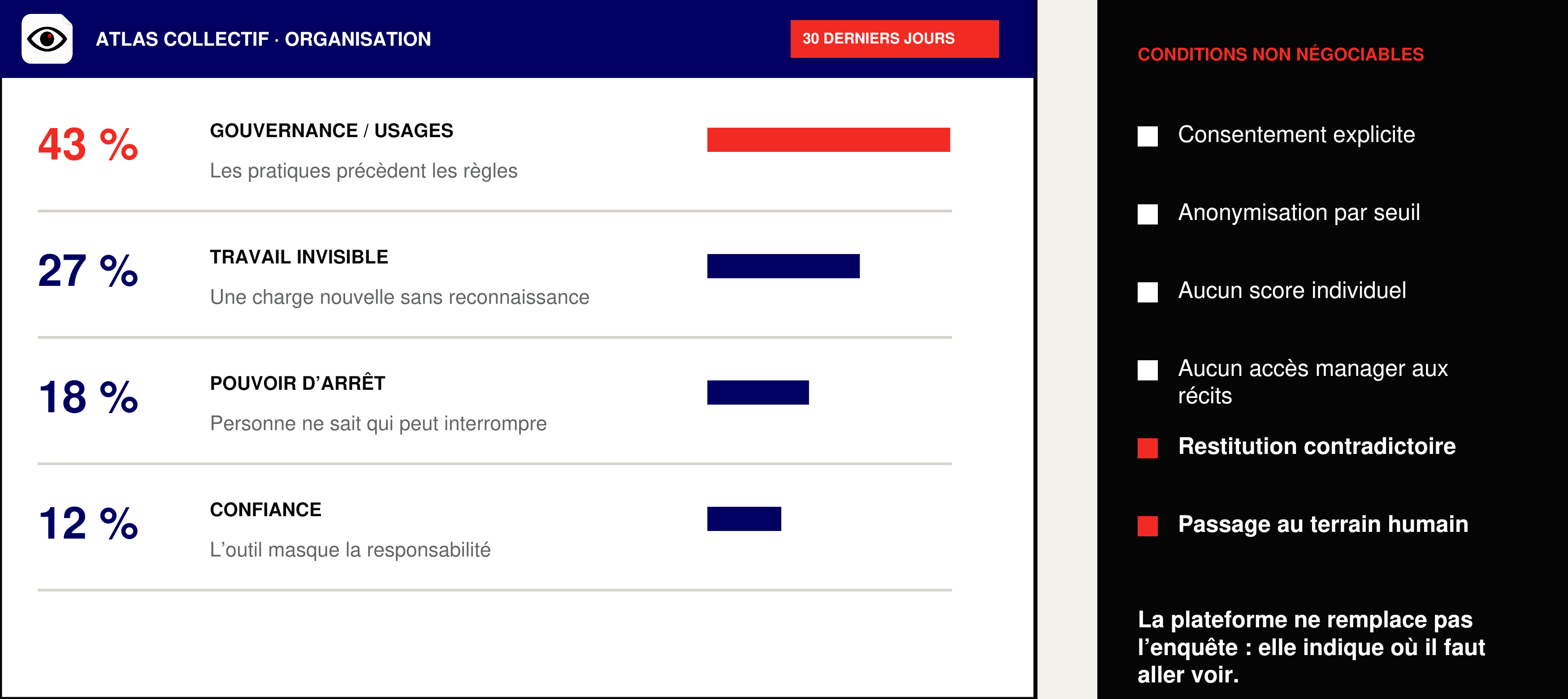
Three research-based frameworks for building understanding, diagnosing practices and supporting AI transformation from real work situations.
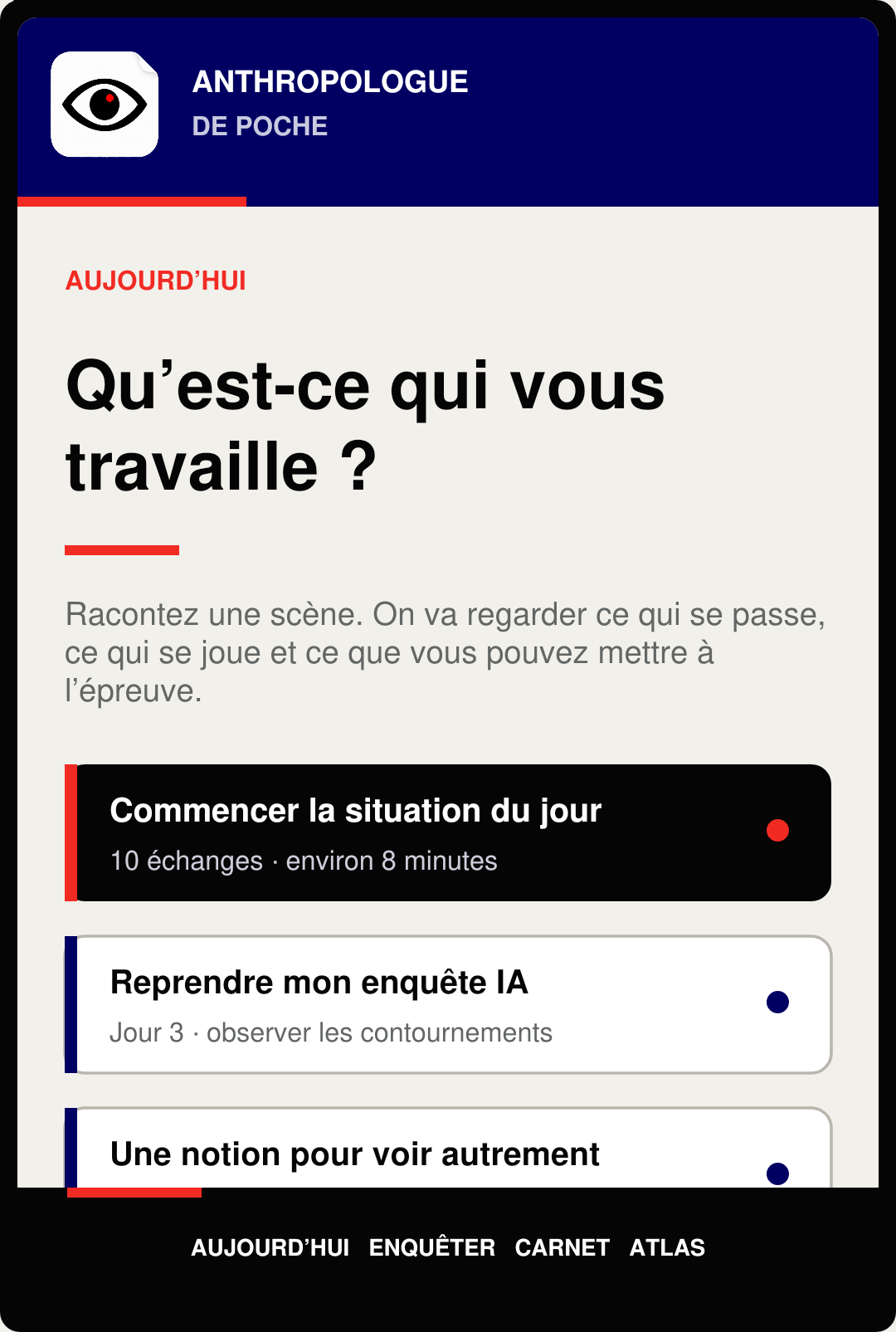
An anthropologist in your team’s pocket.
A lightweight, mobile intervention focused on a specific situation: observe what is happening, shift the perspective and create an immediately shareable point of leverage.
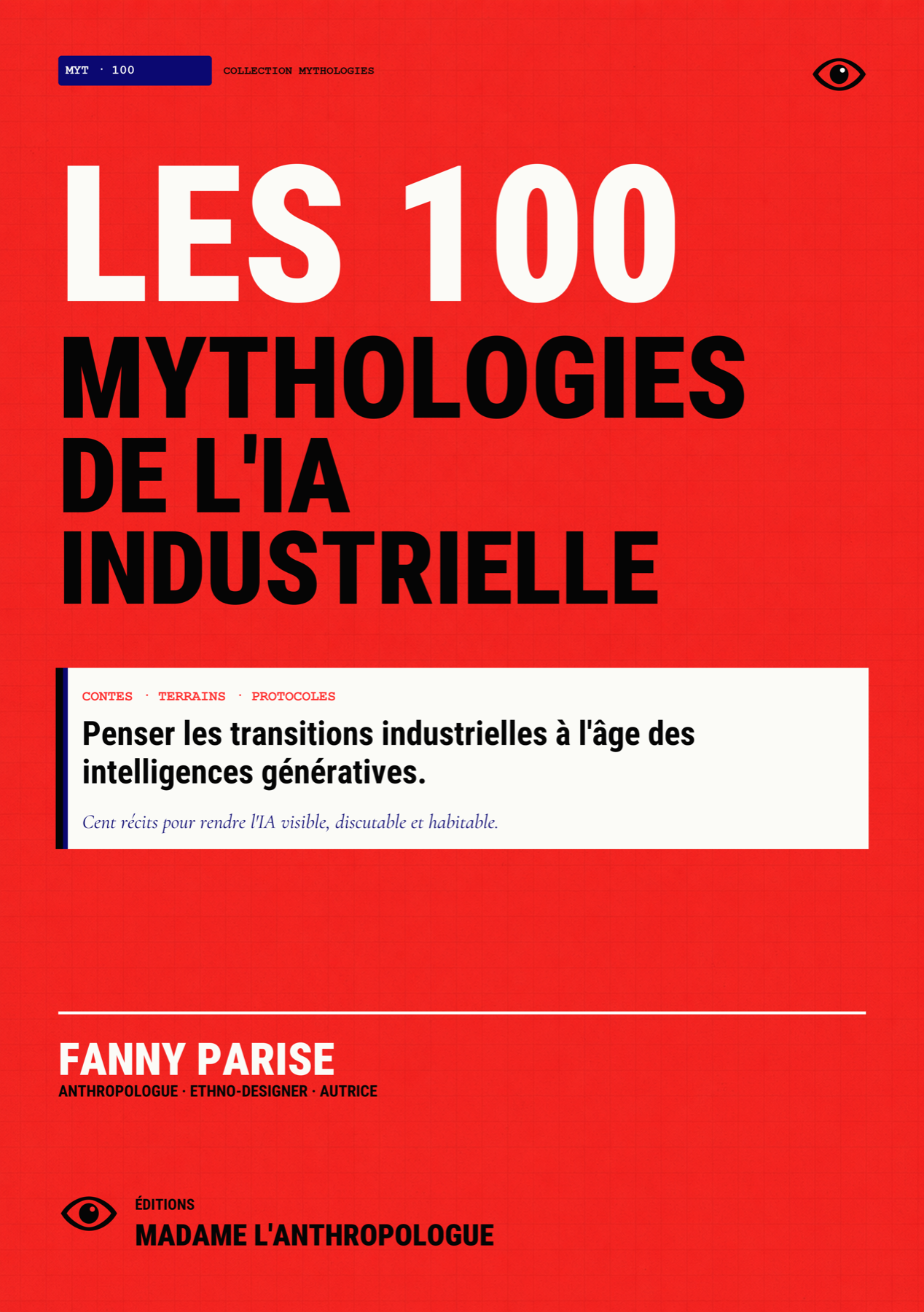
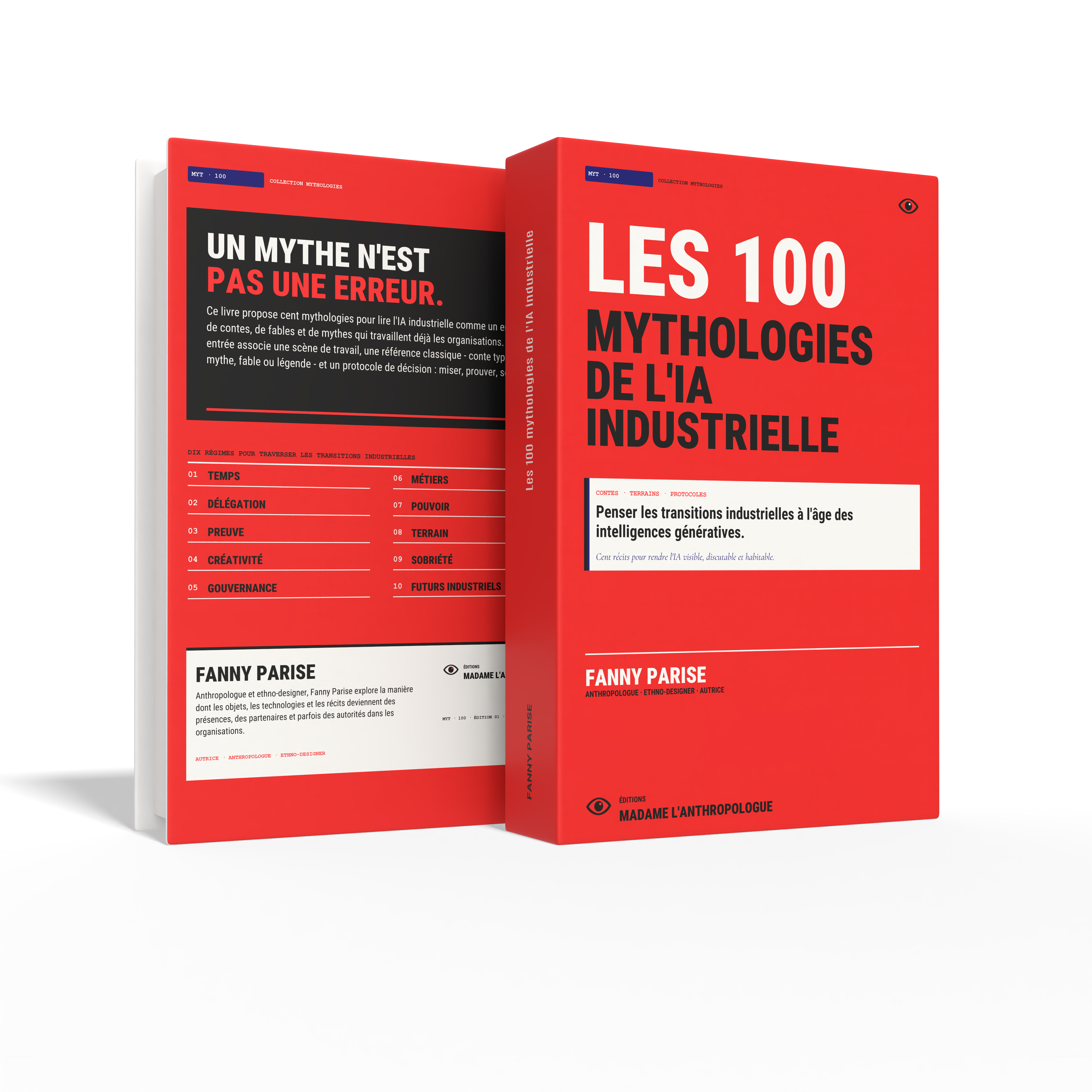
100 MYTHOLOGIES OF INDUSTRIAL AI
A book-lab combining tales, fieldwork and protocols to understand the narratives that make a decision acceptable before it is even discussed.
Habit.AI, the cards and proprietary protocols extend this research. They make organisational mythologies tangible, comparable and debatable so that AI can be designed from real situations rather than abstract promises.
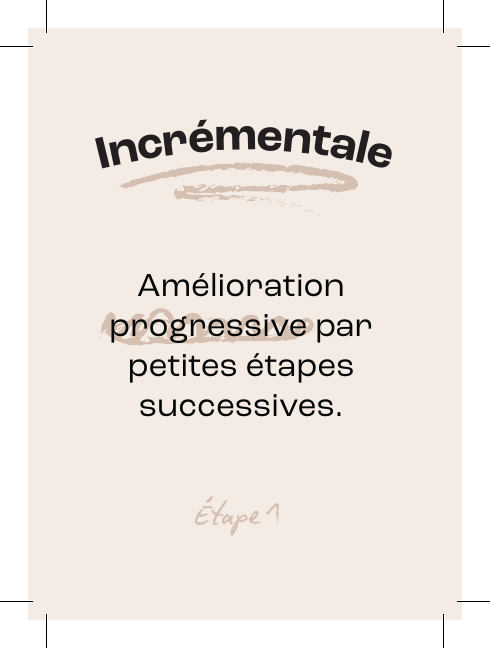
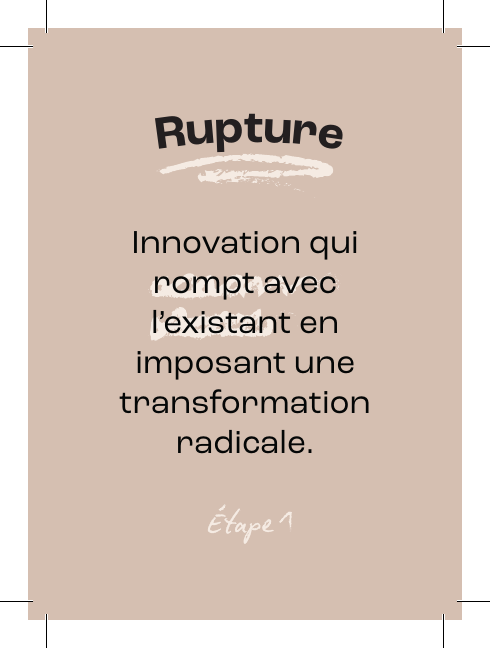
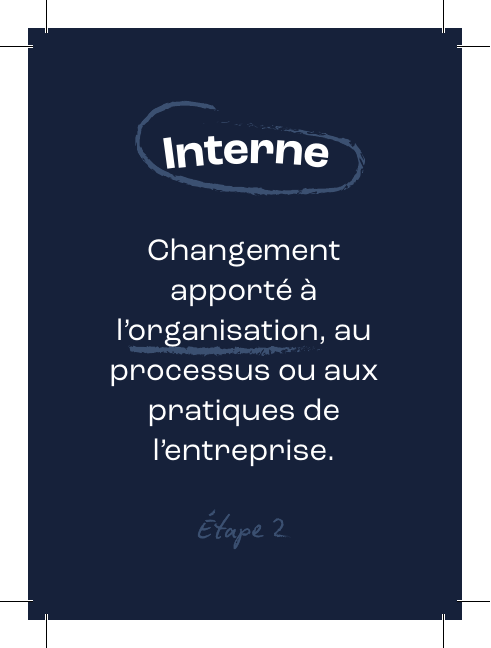
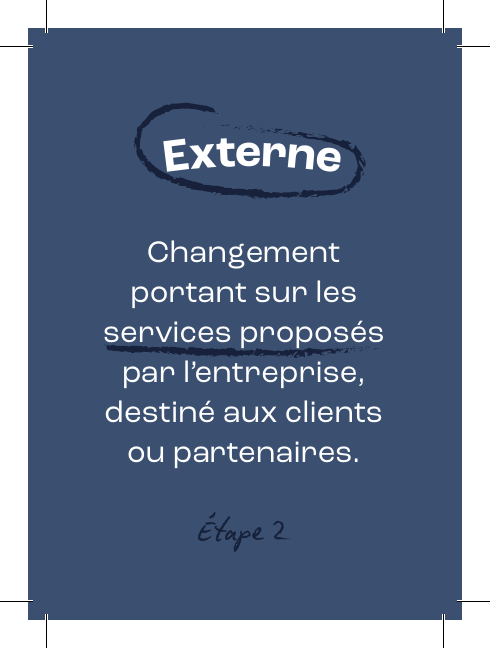
THE POCKET ANTHROPOLOGIST · INTERFACE
An inquiry and analysis interface for recording situations, revealing everyday patterns and sharing an anthropological perspective with teams.
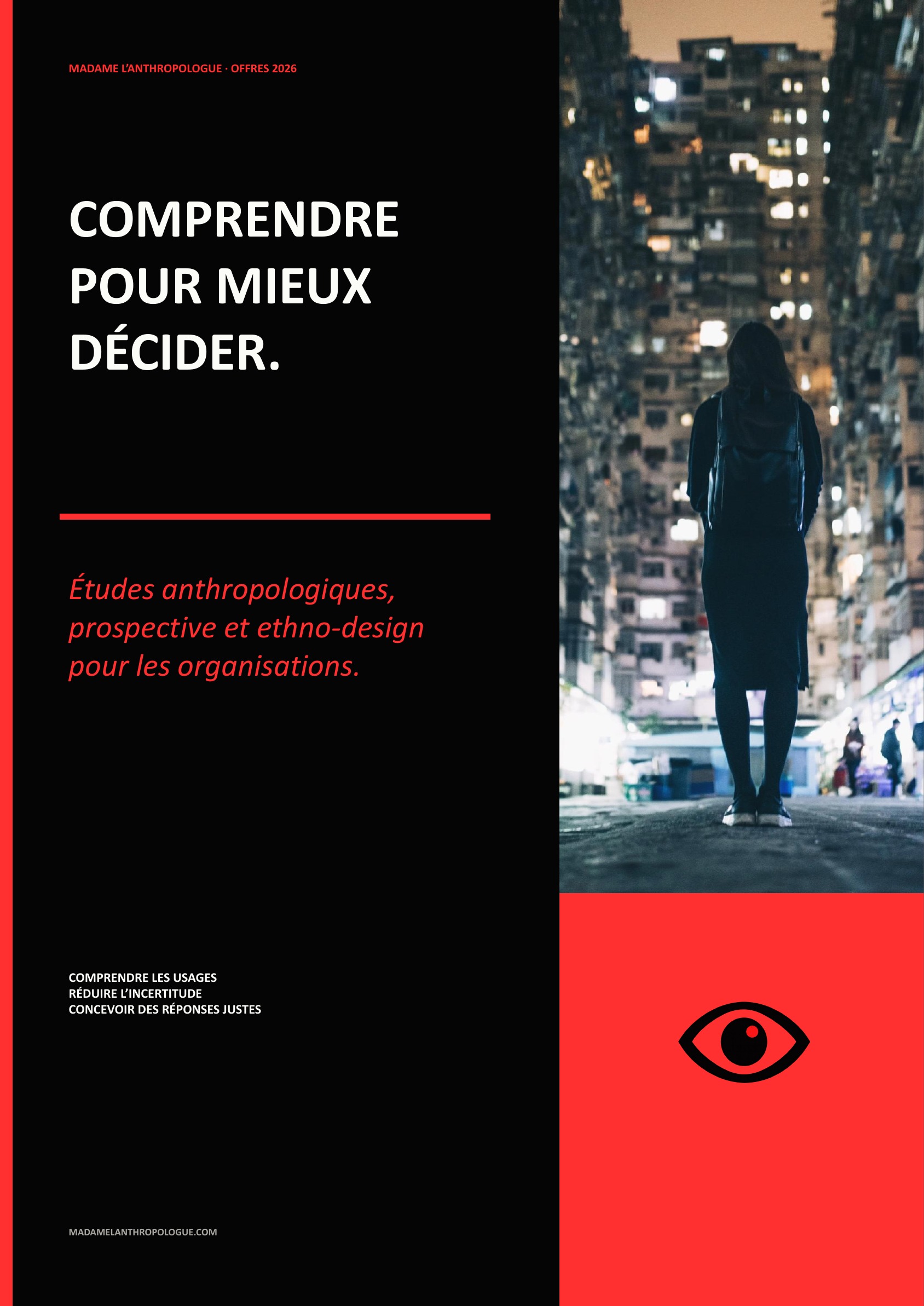
2026 SERVICE BROCHURE · 32 PAGES · FRENCH EDITION
From an express diagnosis to a long-term research programme, the brochure presents five ways to engage, with indicative timelines, deliverables and budgets.
Company, institution, home, hospital, territory: organisations change when the worlds they produce become perceptible.
CHANEL
A comparative research programme devoted to the objects, signs, rituals and techniques through which societies negotiate uncertainty.
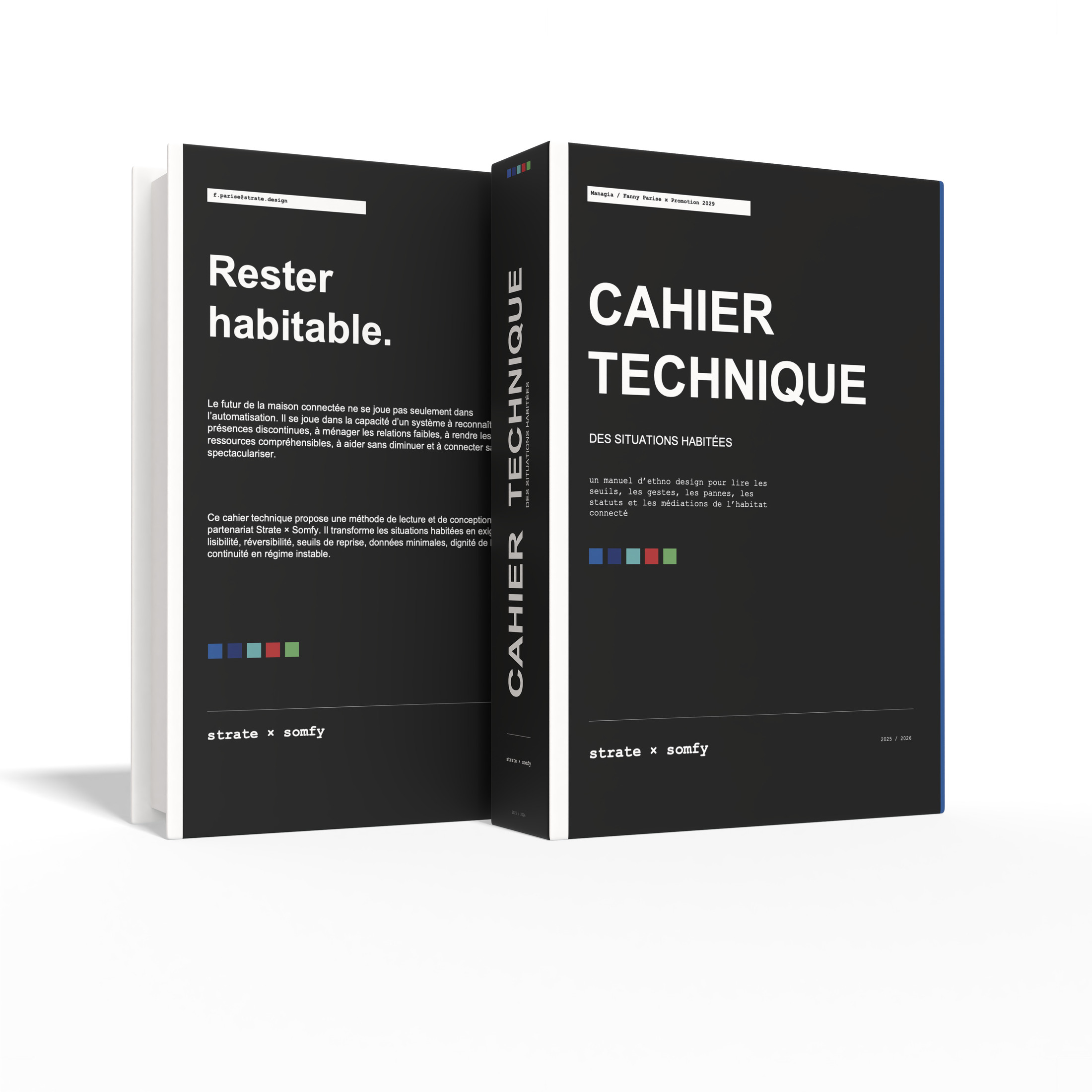
SOMFY × Strate École de design Lyon
48 studies and projects examining how the smart home reshapes relationships, gestures and domestic imaginaries, then translating those findings into design criteria.
RENAULT × Strate École de design Lyon
Five major themes explored through 54 studies, then transformed into artefacts, prototypes and situated design hypotheses.
MANAGIA CHAIR
From field research to organisational learning: examining the agentification of work, AI mythologies and emerging forms of algorithmic authority.
MALAKOFF HUMANIS
Research with patients and healthcare professionals to reveal routines, points of disengagement and the levers shaping chronic-care pathways.
GREATER LYON
Greening residential environments, eco-citizen schools and territorial programmes: understanding the concrete conditions that foster engagement with public policy.
COCA-COLA × SHAKEUP FACTORY
An ethno-design exploration of practices, imaginaries and consumption situations, turning food foresight into tangible experiences.
NUTRITION & HEALTH
A study of new dining rules, food choices and the ways products become vehicles for identity, morality and belonging.
PROJECTS TAKE FORM
Fieldbooks, books, artefacts and prototypes: forms designed to make research visible, tangible and shareable.
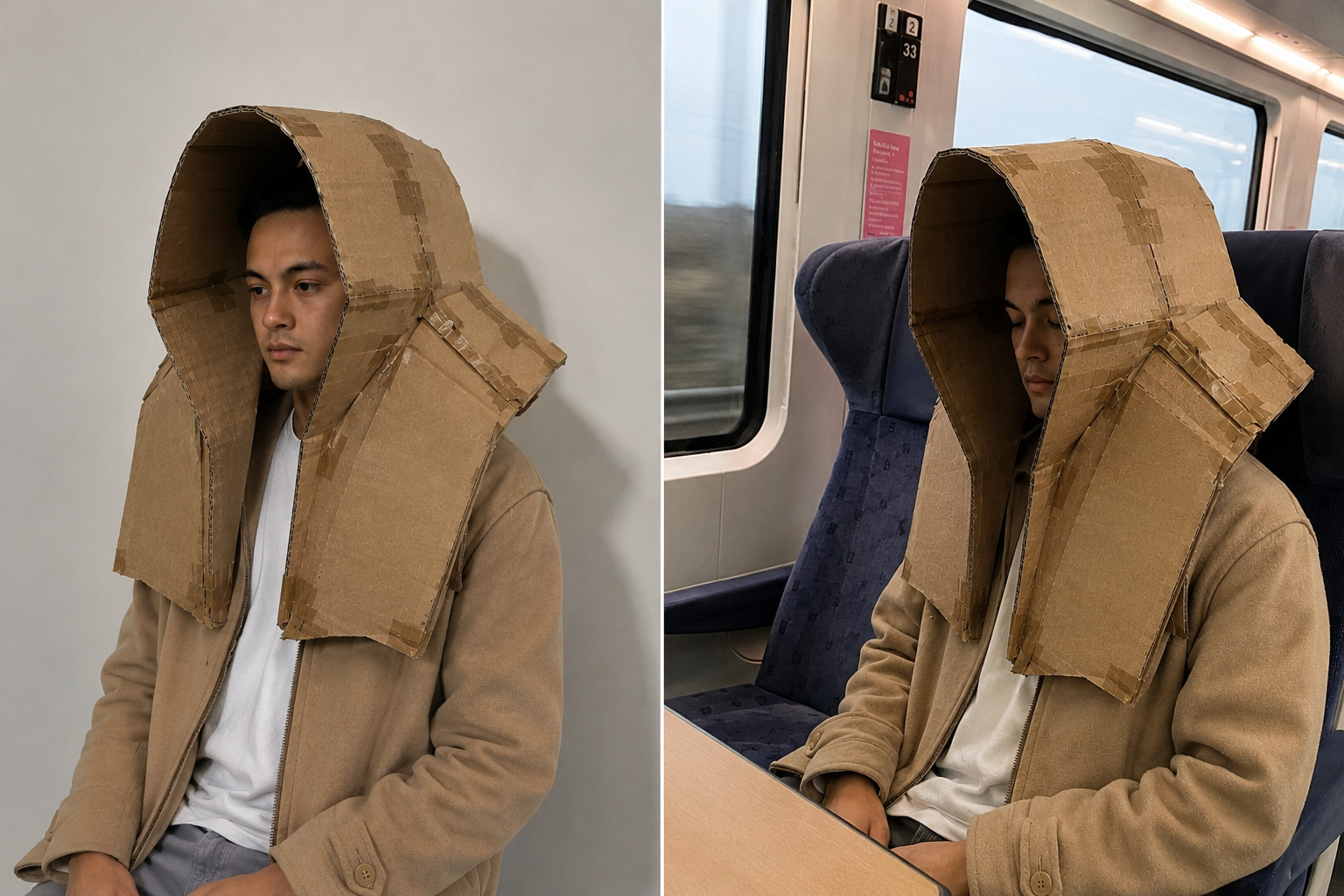
The prototype materialises chosen isolation without disconnecting the person from the journey.
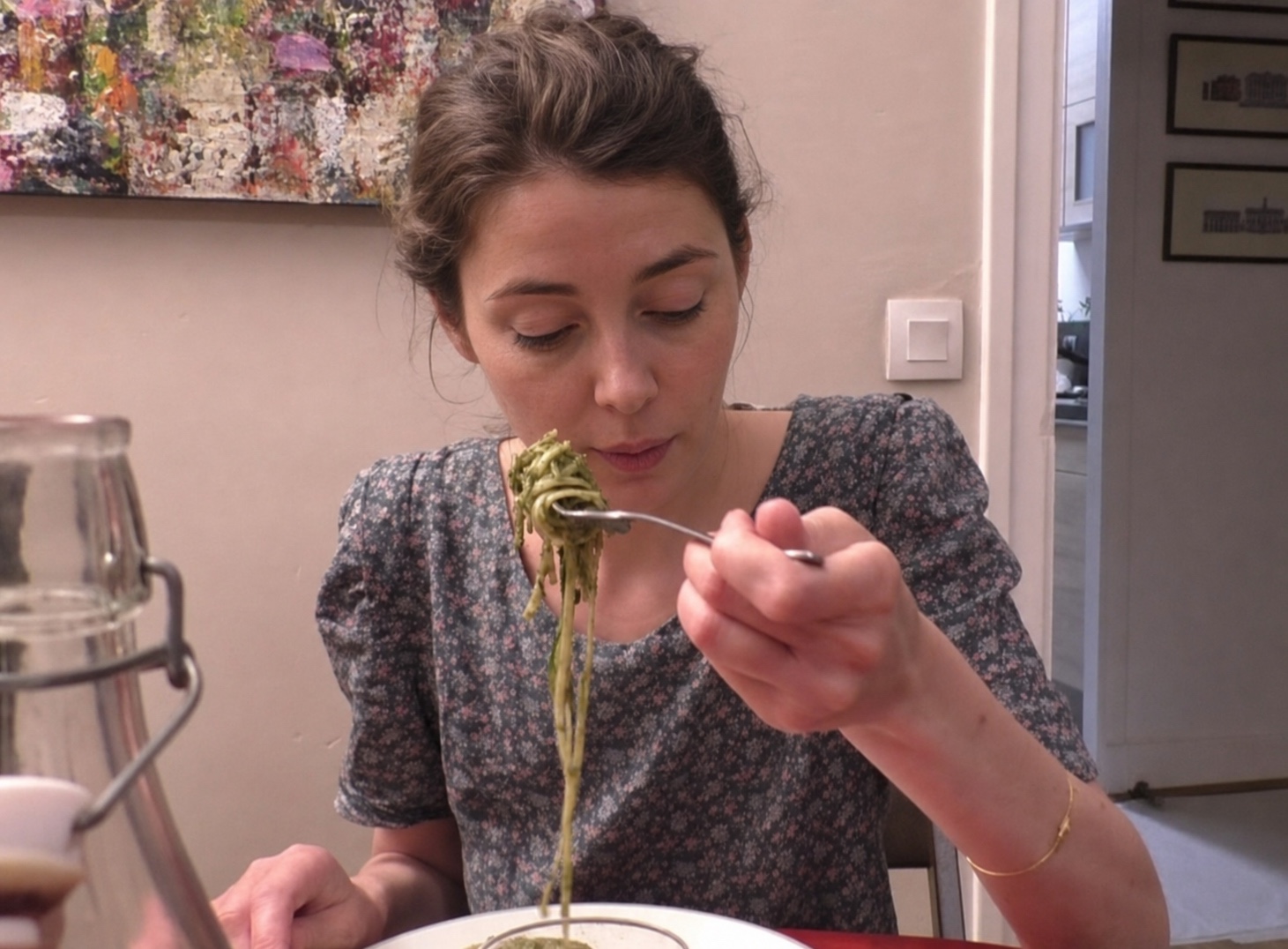
Consumption is never merely a purchase.
It means positioning oneself, belonging, distinguishing, caring, accepting constraints, believing in progress or negotiating with anxiety. My research approaches consumption as a total social fact, connecting objects, food, technologies, bodies, norms and narratives of transformation.
“Practices do not merely tell us what people do. They reveal the world they are trying to hold on to.”
An anthropology of the ecological paradox and new moralities of consumption.
Everyday transformations in how we live under carbon constraints.
Nutrition, future beverages, cultivated meat, housing and domestic objects.
Books, essays, films and formats for carrying ideas beyond the field.
De Boeck Supérieur
01De Boeck Supérieur · 2nd ed.
02Payot
03Payot
04Marie B
05FILMS & DOCUMENTARY FORMS
Culture Makers and Entertainment · Canal+ · 2021Meaning at the Table · 2020The Ritual of the Poisoned Feast · 2017Podcasts, articles and appearances bringing anthropology into public debate.
Ten episodes exploring the tensions of the socio-ecological transition with Novethic.
A conversation about transition, alternative narratives and the social divides they can create.
An anthropological reading of beliefs, myths and the boundaries between humans and artefacts.
How a collective rupture reshapes everyday gestures, distance and the rules of interaction.
Decoding deconsumption and its contradictions on the RTS television news.
An interview about Spoiled Children and the paradoxes of responsible capitalism.
Co-director and co-chair
Associate Professor
Research Associate
Founder and Head of Research
Research & Innovation Director
Anthropologist · Industrial Research
13 / CONTACT
I work with organisations that need to make transformation legible before deciding what they want to design.
VIEW THE 2026 SERVICE BROCHURE · FRENCH EDITION ↗